
When I started playing with AI, I was told I should add an MCP to CSpect to it could automate some test, and as luck would have it, Claude was eager to help. It was able to use CSpect‘s extensive plugin system as the basis for one, but it did add a few more functions, mainly keyboard control so it could “play” things.
Once that was all done, I needed something to test it with…. a neat little Bomber Man clone was on my list, so I asked Claude to go and write on in C, and of it trotted….
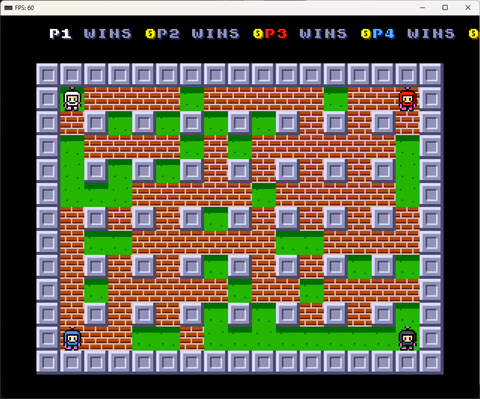
The first version was as you’d expect, functional, but very basic looking. But looks weren’t the point, testing the MCP was. So I poked and prodded it, and got it to do more, add front ends, and basic AI and all the rest, and it even added some basic sound effects.
I decided then to be a little more creative, and I went onto itch.io to look for some nicer, non-AI graphics. I really wanted some forced perspective (or 3/4 perspective) tiles. I’d been wanting to play with that look for a while, so this wasa chance to kill 2 birds with one stone.
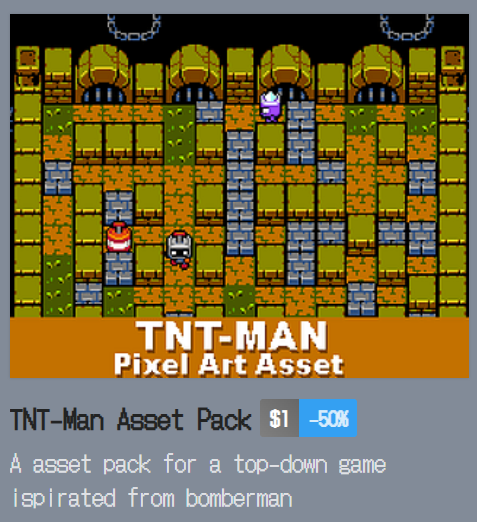
I found a cheap asset pack – though I actually bought his hugh “bundle” so I could use others later, and then set Claude to implement it.
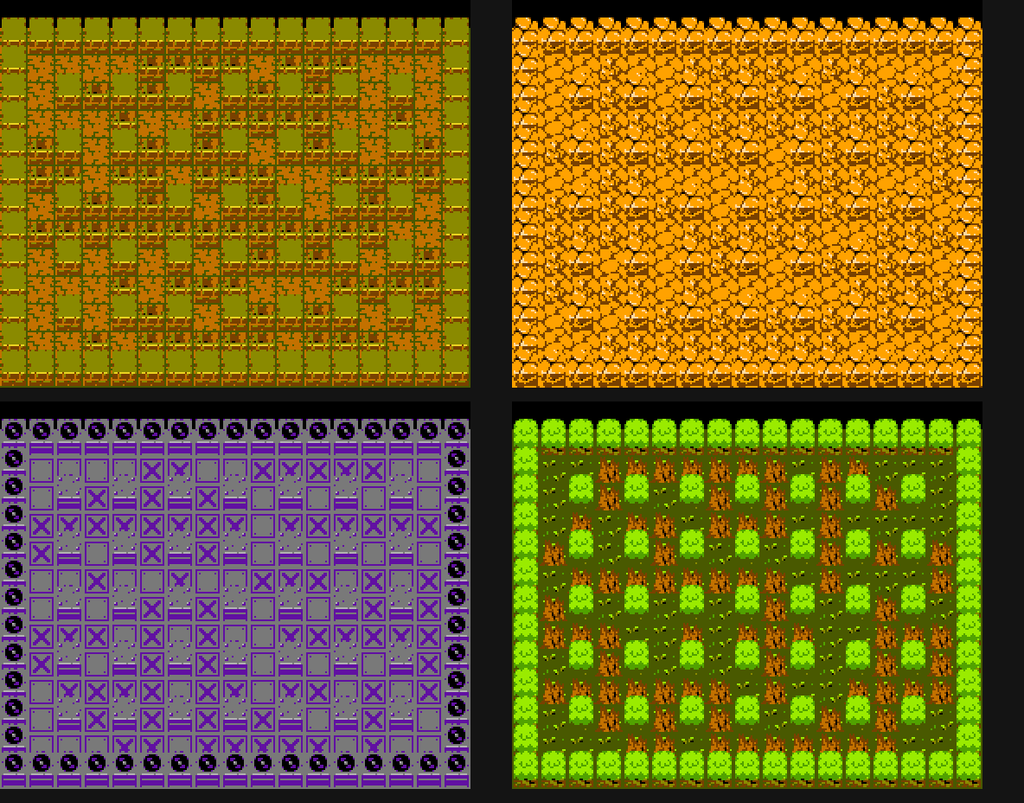
It added it in but cropped the tops, so I asked it to do that. I did it a really stupid way, so I told it how to do it, and it got all excited and said that was much better, and stripped all the old code out and did it this way. Basically, you put walls in a tilemap, then the tops in Layer2. Then sprites go in-between. And that’s it. You’ll now walk around walls, but behind the tops, and look cool doing it.
With the new player, walls and explosions added, it suddenly looked not so much like AI slop anymore. But we weren’ done yet.
I asked Claude to add a front end, have each player be selectable between keys and joystick, then I asked it to add basic AI, and allow each player to be the CPU, so it could play itself – and so it did….
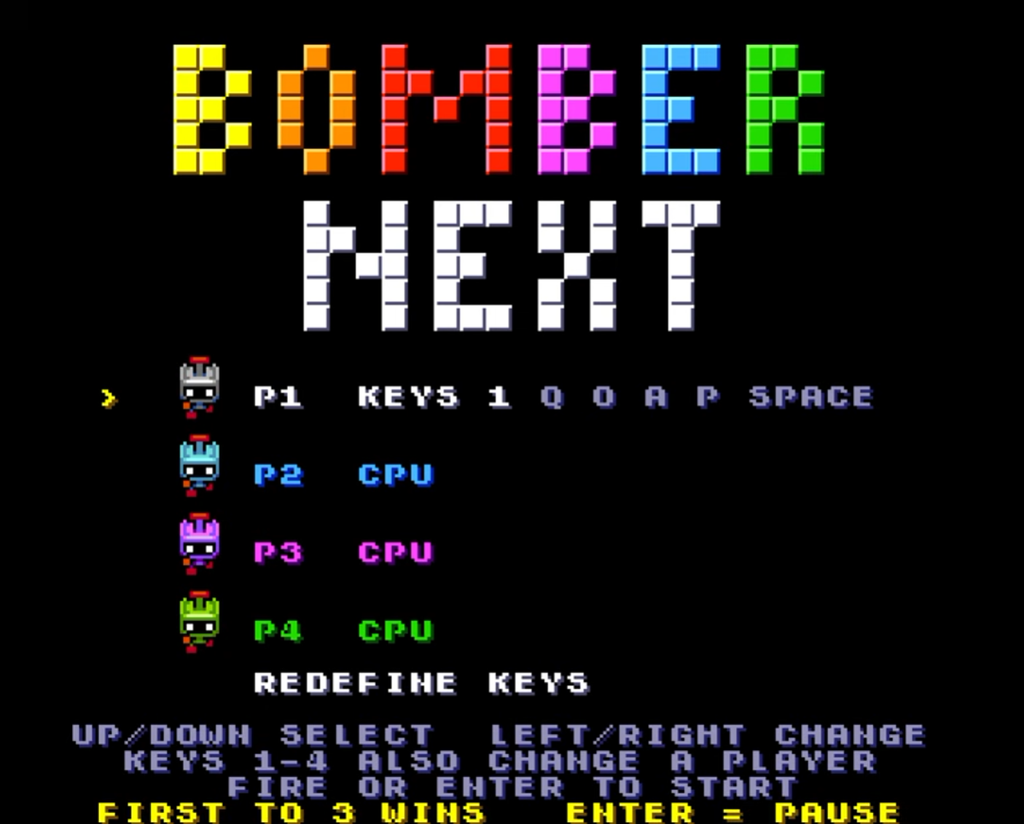
I also got it to allow me to redefine the keys, and then eventually put in a demo loop after a couple of minutes. Now we were really cooking. I got 3 styles I liked from the asset, but they were a little too flat, so I asked Claude to add some shadows to the walls.
This it did, but it didn’t have the little diagonals, so looked like it was floating, so I asked it to do them and it did…
I then got it to export it’s icons to PNG and I touched them up a little. Once it had reimported them back in, I asked it to make them bob up and down in a sine wave, and we were just about done.
After getting it to sort all the sprites on Y so that they appeared behind other sprites correctly, it started to slow down – it was in (mostly) C after all. So I took a look, and the sprite building wasn’t great. I manually modified the list building, and started to write an optimised update_sprites(), and I got it written, but it needed debugging. I decided to ask Claude to optimise it, to see what it would do, and it actually made a pretty good job, It wrote it in assembler, getting it (it says), 70 times faster. It had used my modified code to good effect, and had written it’s own “update_sprites()” function. I looked through it, and although it wasn’t nearly as clean as mine, it had some nice points and it ran just fine. It might have been a fraction slower, but not so anyone would really care, so I left it in and moved on.
It was all running at a good speed now, and was fairly enjoyable to mess around with, but there was 2 things I really wanted… Network play, and a Multitap.
MultiTap
Now, I’d been trying to figure out how to get a multitap going for a while, but now I was into using Claude, I asked it to help. Well the first one it suggested was a brand new, SpecNext dedicated Multitap. Lots of chips, and reasonably large. I mean.. very cool, but why make a new one, when there’s a load out there already.
I’d bought a Sega Multitap a while back, so asked Claude to figure out how to use that. It came back as you couldn’t, because it needed 2 control lines, and the Next only has 1 OUT line on the joystick ports. So I asked it if you could make a board to make it work and off it went…….
it came back with a small board and I asked it for some C code to read it.
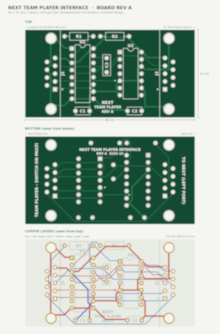
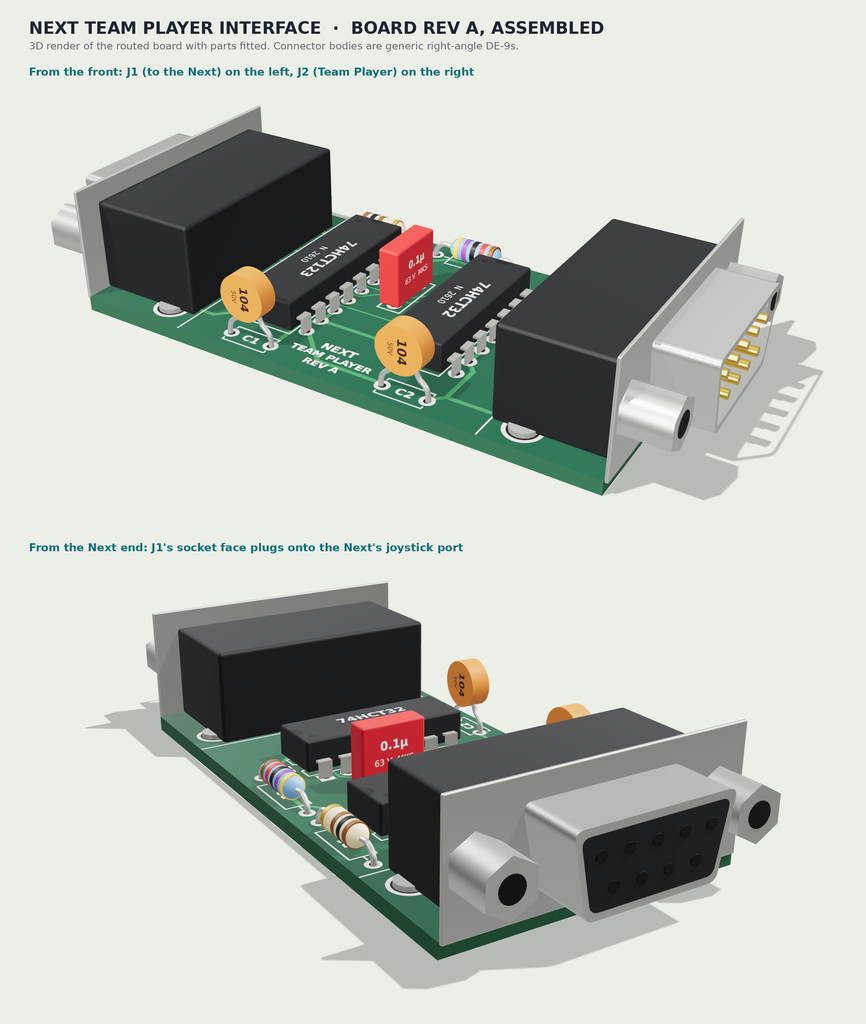
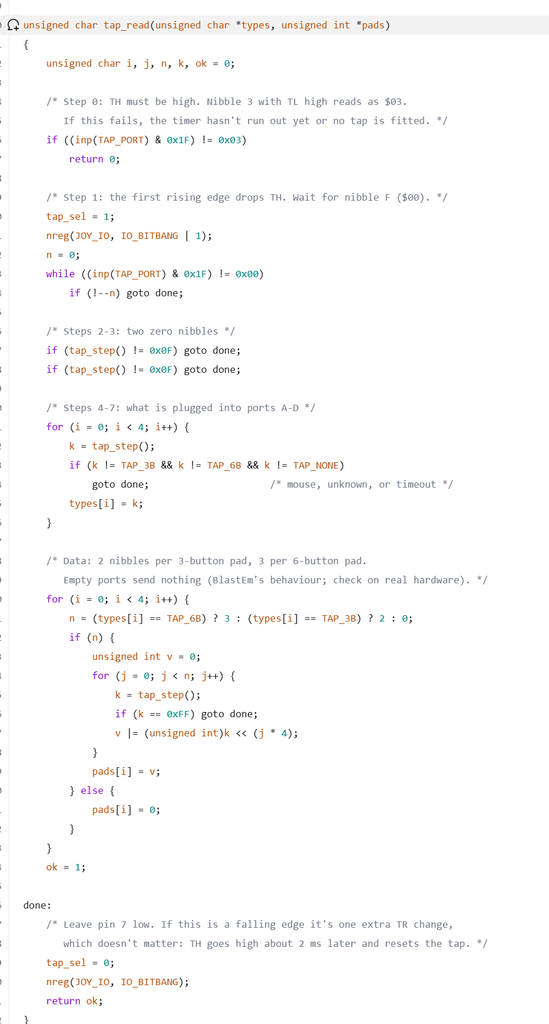
This was really promising – and super cool! It game me all the KiCad files, and gerbers files, so I uploaded the gerbers to PCBWay, and ordered 10 to see if they’d do the job, and then went on the hunt for the rest of the parts.
I sat down and sang about Gold, and a week later all the parts had arrived
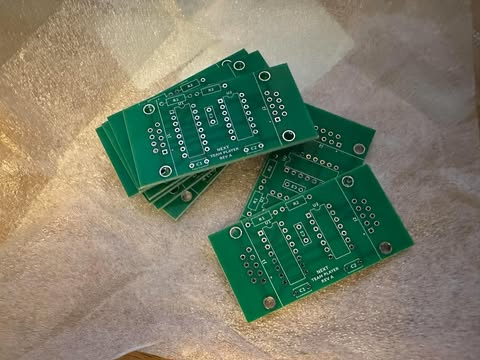
My soldering skills aren’t great, but this is a really simple board, so I set about making one… And here we go!
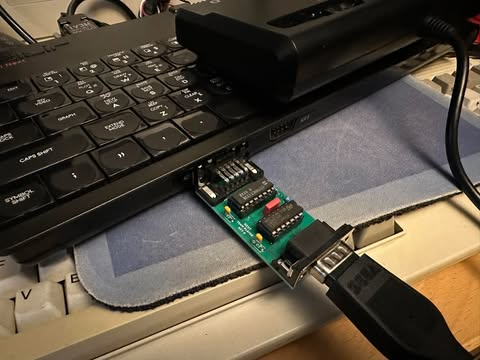
Now I just needed a test program! So I asked Claude to write one, then asked it to put some timing bars around it.
Would it work?!?!?!?
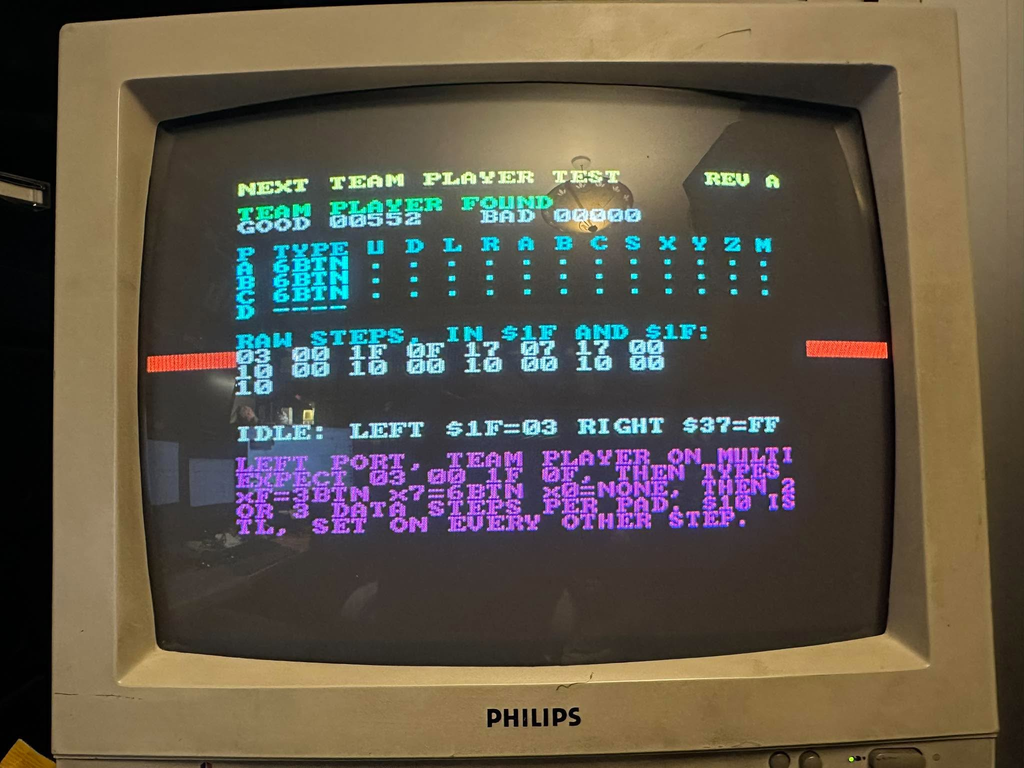
HOLY CRAP IT WORKS!!!
In about 10 scanlines, it can read all 4, 6 button controllers. That was STONKING news! Now it means I can add 4 player multitap to “Bomber Next“, and even better – we now have a viable multitap for the Speccy Next.
Now I know the board works, I’ll get it into the Bomber Next game, and then get the boards up onto PCBWay community hub, so anyone can make one – along with the code to use it.
So many games could benefit from a multitap, so I’m excited to see what the community does with it.
I’ve been amazed at just what Claude AI has been able to do, from helping to write the game, to creating a board that interfaces with a Sega Multitap.
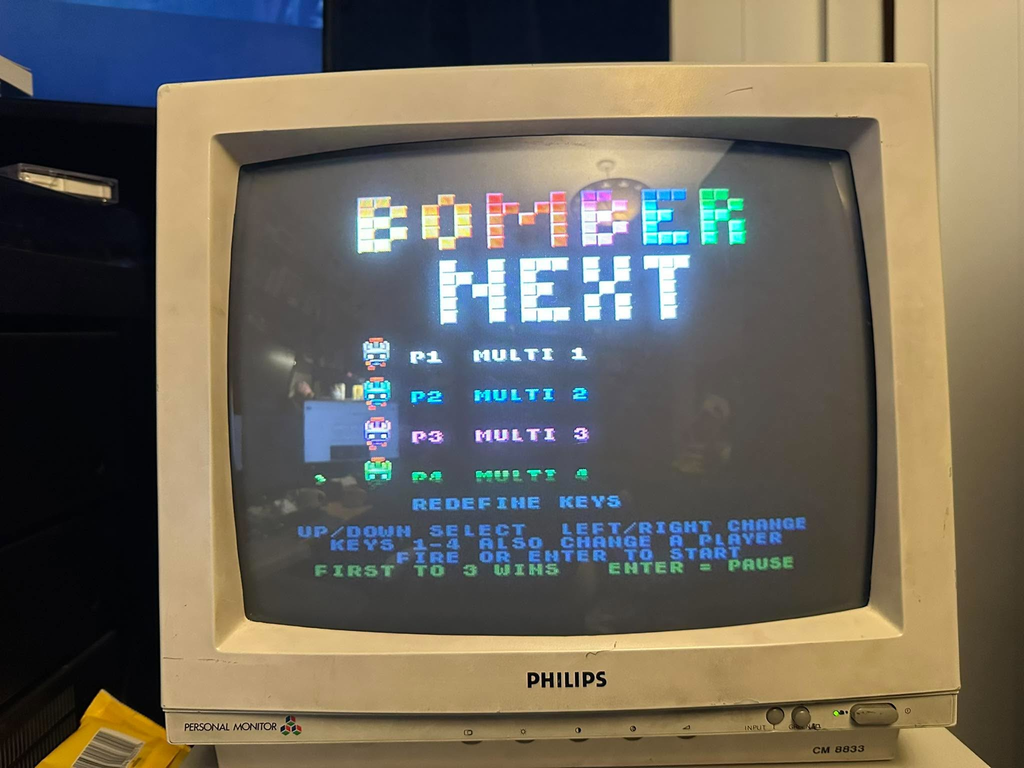
A quick upload of the examples, and I asked Claude to add it into the game, and BANG! a 4 player game of BomberNext!!